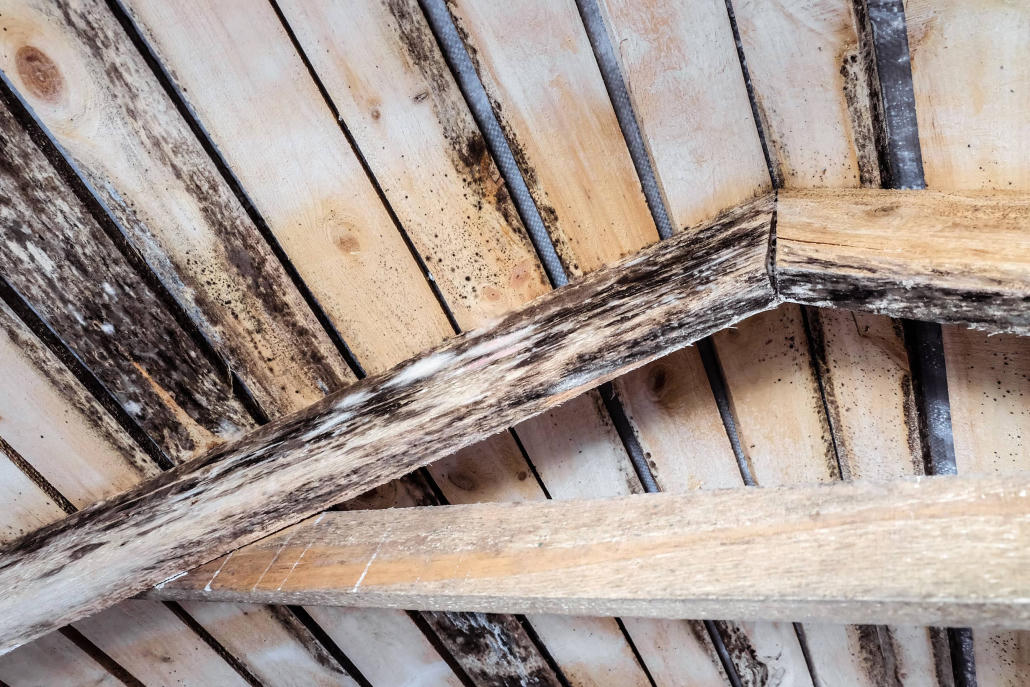
Basements
Foundation seepage, cold walls, and limited airflow. Often the first place people notice a problem.
Basement mold inspection →A musty smell that won't go away. A dark spot that wasn't there last winter. Condensation that keeps coming back.
We'll come take a proper look, explain what we find in plain English, and give you a clear plan — whether that's monitoring a small issue or taking action now.
No pressure. No guessing. Just honest answers and a written report within 24 hours.

Statistics Canada reports that about 8% of Alberta households have mould or mildew — lower than the national average of 13%, but still roughly one home in twelve. The real number is likely higher because hidden growth behind walls and under floors often goes unreported.
In Calgary, basements and attics take the brunt. Cold concrete, chinook swings, spring melt, and ice dams all push moisture into places that stay damp long enough for mould to start.
Winter: Homes are closed up. Warm indoor air hits cold basement walls and windows. Condensation builds. Ice dams form on roofs and send melt water into attics.
Spring: Snowmelt and chinooks load foundations with water. Temperatures rise into the range where mould grows faster. Problems that sat quiet all winter become visible.
Year-round: Plumbing leaks, poor grading, and unfinished basements create steady moisture. Once materials stay damp for more than a day or two, growth can begin.
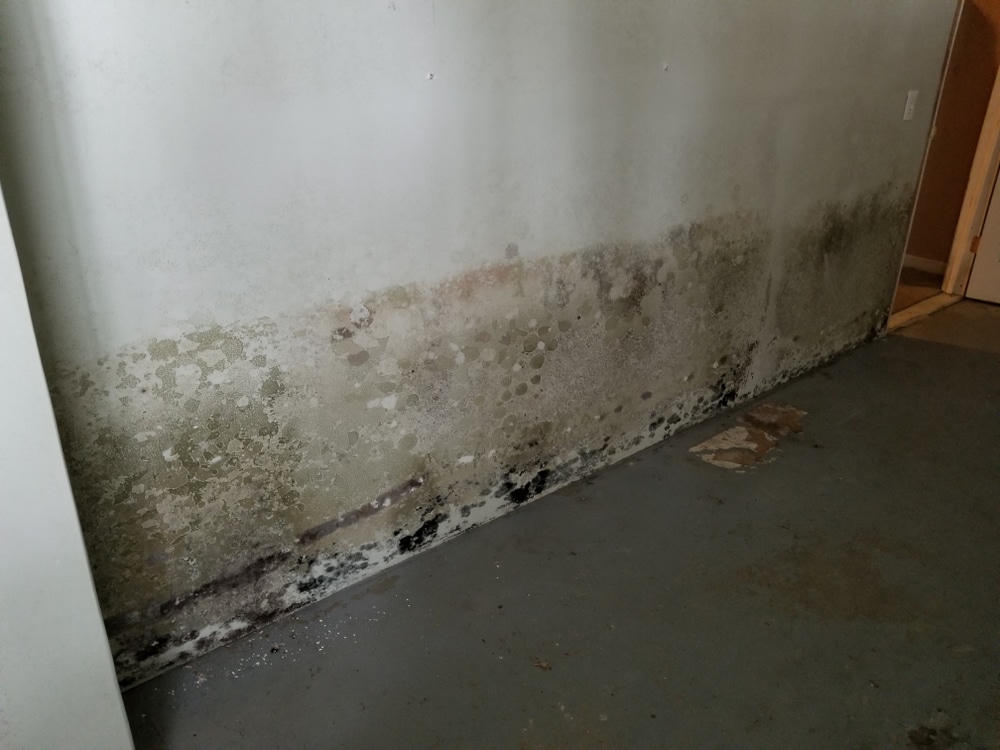
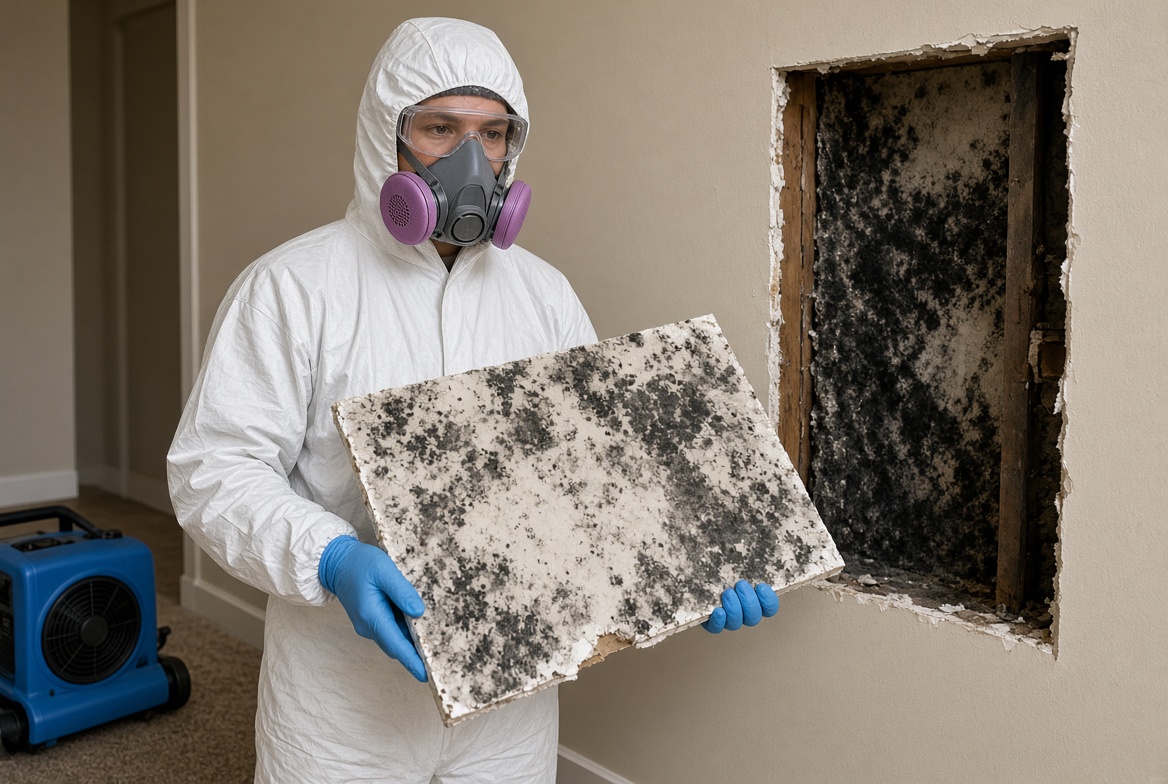
Mould does not stay put. It releases spores into the air and can spread into insulation, drywall paper, and wood framing. The longer moisture stays, the more material has to be removed later — and the higher the cost.
It also affects the people living there. Prolonged exposure is linked to ongoing respiratory irritation, worse asthma, and fatigue that many families only connect to the house after the mould is gone.
Not everyone reacts the same way. Some people notice nothing. Others feel it quickly. Typical symptoms include:
Children, older adults, and anyone with existing respiratory issues are often more sensitive. If symptoms improve when you leave the house for a few days, the indoor environment is worth checking.
We inspect Calgary homes for mould and moisture. That includes basements that never quite dry out, attics after ice dams, and rooms that saw a leak or flood.
If testing is needed, we sample properly and get lab results. If removal is required, remediation is done with containment so spores do not spread through the rest of the house.
Foundation seepage, cold walls, and limited airflow. Often the first place people notice a problem.
Basement mold inspection →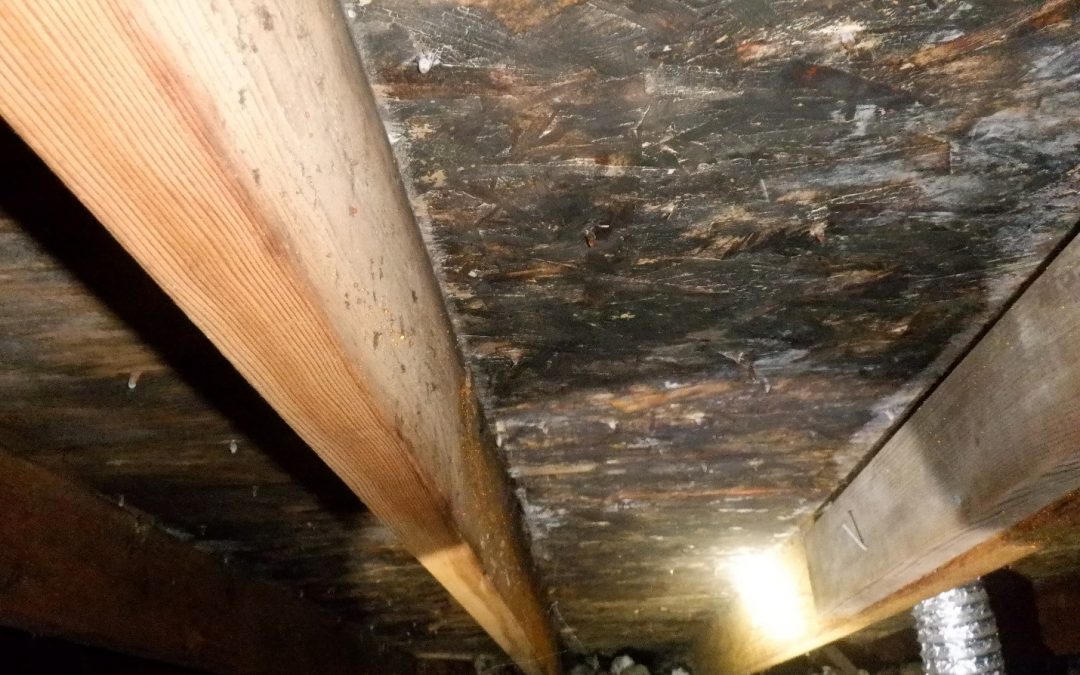
Ice dams, roof leaks, and blocked vents push moisture into the wood. Worth checking after a heavy winter.
Attic mold inspection →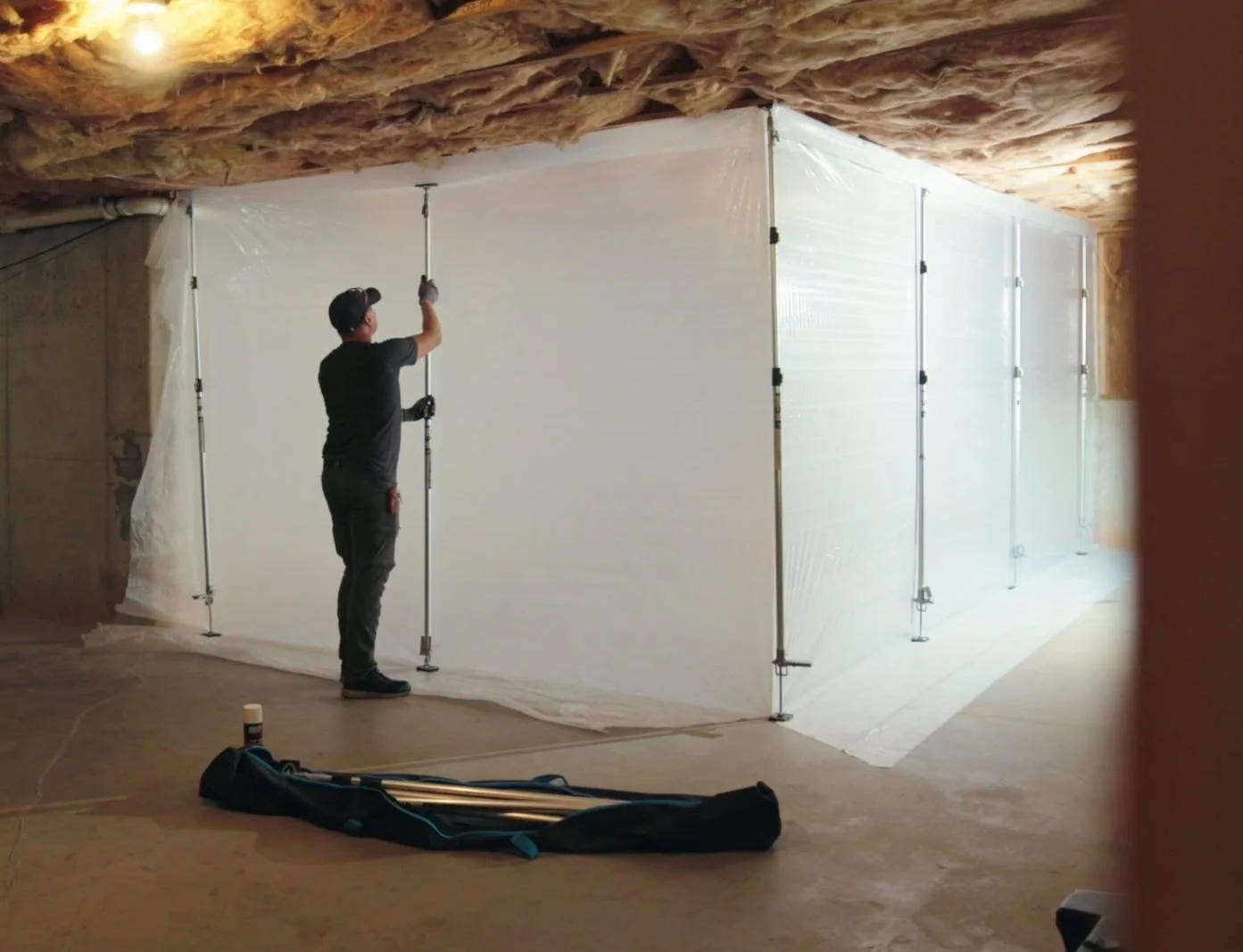
A burst pipe or slow leak can leave mould behind even after the water is gone. Testing confirms whether it is clear.
Water damage mold testing →
A home that smells normal, looks clean, and does not leave anyone wondering what is growing behind the drywall.
We are not here to scare you. We are here to give you a straight answer and a practical plan — whether that is monitoring a small issue or full remediation.
Serving Calgary and nearby communities.
Call and tell us what you are seeing. We will tell you what makes sense next.
Call (403) 555-0100